A Cultural Heritage Podcast
Culture isn't something frozen in time. It's alive, passed down through generations, shaped by everyone who came before us and everyone who will come after. When we talk about conservation, whether it's a fragile manuscript, a crumbling building, or a fading tradition, we're not just preserving objects. We're taking responsibility for understanding them, interpreting their meaning, and passing that knowledge forward.
This work starts with research and documentation. But the real magic happens in how we share these stories. Through films, graphic novels, museum exhibitions, digital archives. Not as entertainment, but as honest interpretation rooted in scholarship. And here's what's fascinating: in this age of AI, our relationship with history is changing. The way we think, the methods we use, the frameworks we build to understand the past... these are becoming part of our heritage too.
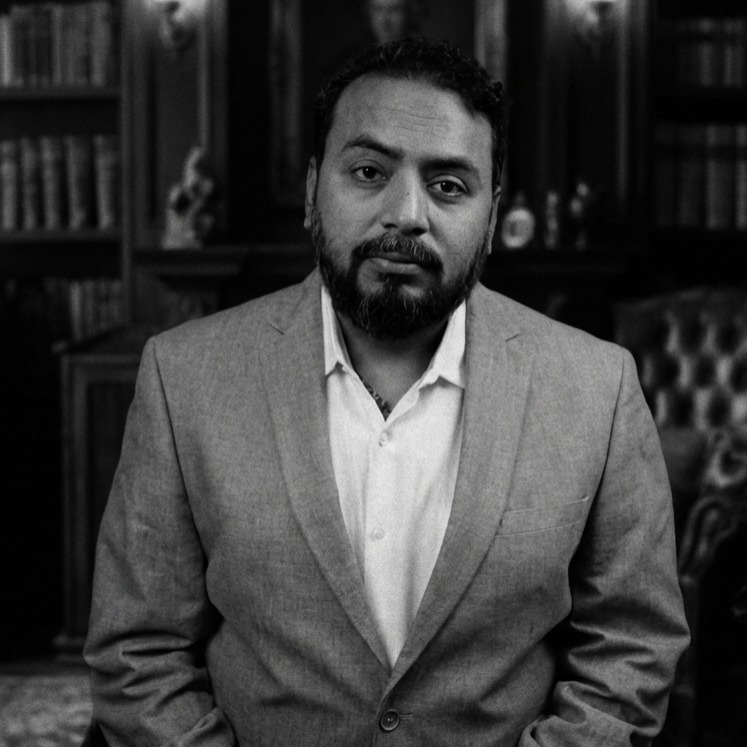
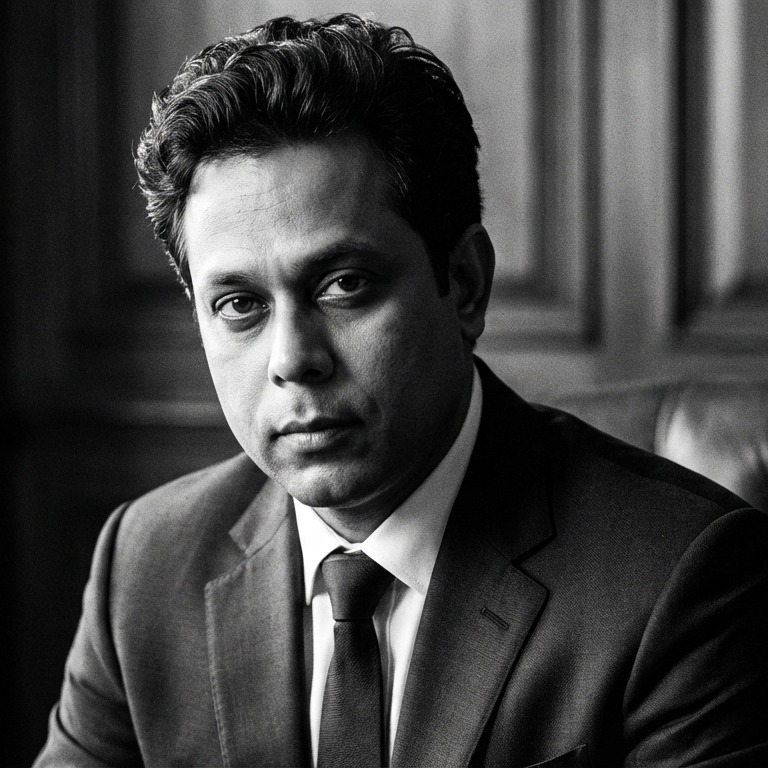
Threads of Time is where we explore all of this. It's a podcast hosted by the two of us: Mithun Pangal, who works with technology, and Dr. Aurobindo Singha Roy, a historian and professor. Each conversation digs into something different. How do you conserve a 500-year-old artifact? What does it take to restore a heritage building? How do filmmakers and comic artists tell historical stories responsibly? What's the role of museums today? And how is AI changing the way we engage with our past?
We're building this together. If you know someone doing interesting work in conservation, creative storytelling, or thoughtful innovation, we'd love to hear about them.
When you document and interpret cultural heritage, you're taking care of something bigger than yourself. It takes deep research, real understanding of context, and the ability to share complex stories in ways people can connect with. Sometimes that's a museum exhibition. Sometimes it's a graphic novel. Sometimes it's a documentary film or a digital archive.
At Threads of Time, we bring together people from different worlds: historians, conservators, technologists, filmmakers, artists, museum professionals. Here's what we talk about:
Artifacts Conservation
How do
you preserve a 2000-year-old manuscript? What about a contemporary art piece that's already
degrading? The science and ethics of keeping material culture alive.
Building Conservation
Old
buildings tell stories. But they also need to be useful. We explore architectural heritage,
adaptive reuse, and the sometimes messy politics of preservation.
Art Conservation
The technical
side of restoration. The ethical questions. The science behind keeping paintings, sculptures,
and installations intact for future generations.
Creative Storytelling
Films
and comics can make history accessible in ways museums sometimes can't. But how do you balance
creativity with accuracy? When does interpretation become invention?
Museum Practice
Museums are
changing. How do they stay relevant? How do they engage communities? What's their role in the
21st century?
Intelligence as Heritage
AI is
changing how we engage with history. How we search archives. How we analyze patterns. How we
even think about memory and interpretation.
Here's our philosophy: technology should serve heritage, not the other way around. These conversations are led by people, backed by research, and grounded in the reality that no algorithm can replace human judgment and expertise.
I work with technology, specifically AI and digital tools for cultural heritage. My interest is in how we can use these tools responsibly to support conservation work and help people engage with history. Not to replace human expertise, but to extend what's possible.
I'm a historian and professor focused on cultural research and heritage studies. I bring the scholarly context, the historical depth, and hopefully some critical perspective on the ethical questions that come up in this work.
Podcast Episodes
Research-led dialogues exploring conservation, technology, and cultural stewardship.
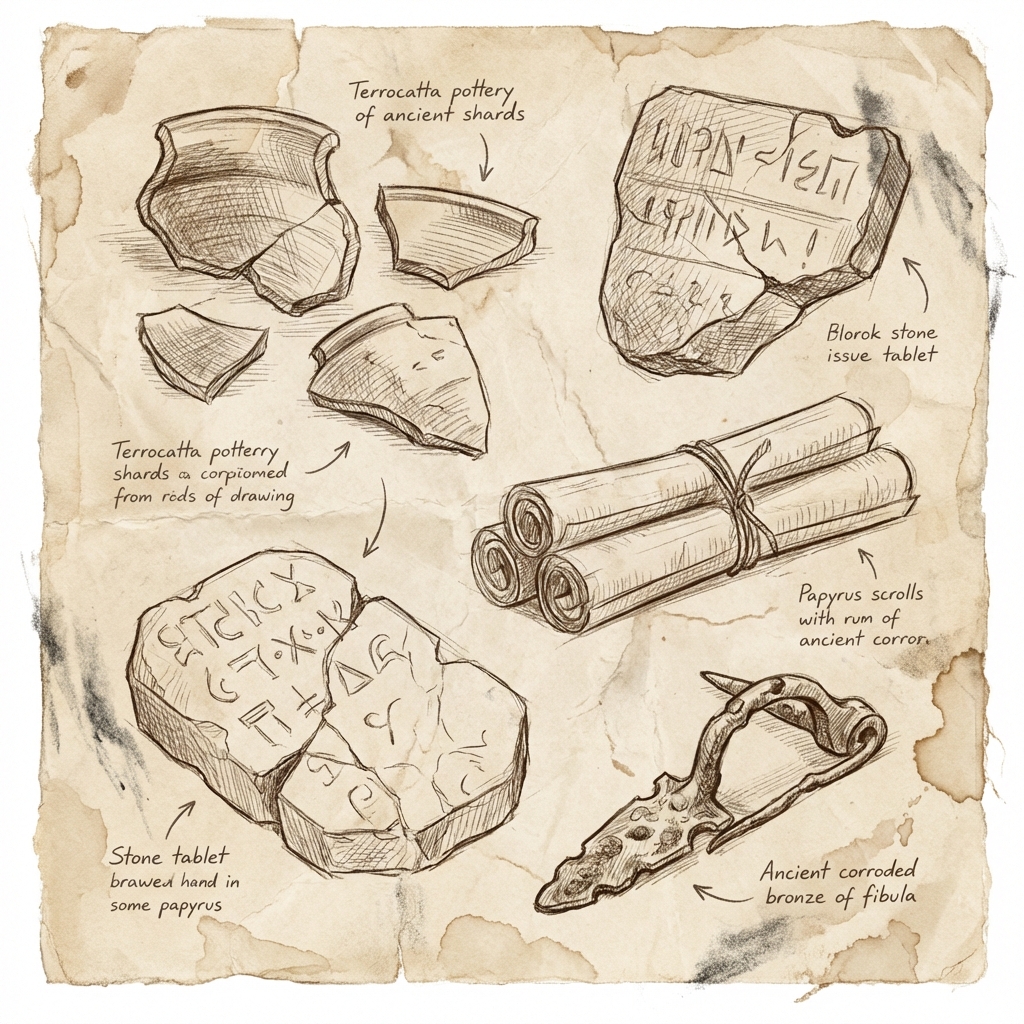
Here's a question: what does it mean to conserve an artifact when we can now capture details invisible to the naked eye? When 3D scans can document every microscopic crack? This conversation looks at where traditional conservation meets new technology, and what that means for preserving material culture.
Why this matters: Conserving artifacts isn't just about keeping them from falling apart. You need to understand materials science, historical context, cultural significance. New tools like hyperspectral imaging and machine learning can reveal things we've never seen before about how objects were made and how they're degrading. But here's the thing: the physical object, its material presence, that's still irreplaceable. Digital documentation is powerful, but it's not the same as the real thing.
We'll talk about: Materials science, preventive conservation, digital documentation, ethical restoration, museum collections management
How do filmmakers and comic artists take historical research and turn it into stories that actually move people? That educate, provoke, maybe even preserve cultural memory? This episode is about creative storytelling as a real form of heritage work.
Why this matters: Comics and films can do things museums can't. They use visual language, compress complex narratives, create emotional connections, reach different audiences. When they're grounded in solid research, they can make history tangible in powerful ways. But there are real questions here about accuracy, representation, where interpretation ends and invention begins. And now with AI-generated imagery and deepfakes, the ethics of visual storytelling are more complicated than ever.
We'll talk about: Documentary filmmaking, graphic novels, visual research, historical accuracy, AI-generated imagery, public history
The conceptual frameworks guiding our conversations.
From artifacts to buildings to entire cultural landscapes how do conservation practices adapt across scales, materials, and contexts in a changing world?
Examining digital tools from 3D scanning to AI analysis as instruments that extend, but never replace, human expertise and judgment.
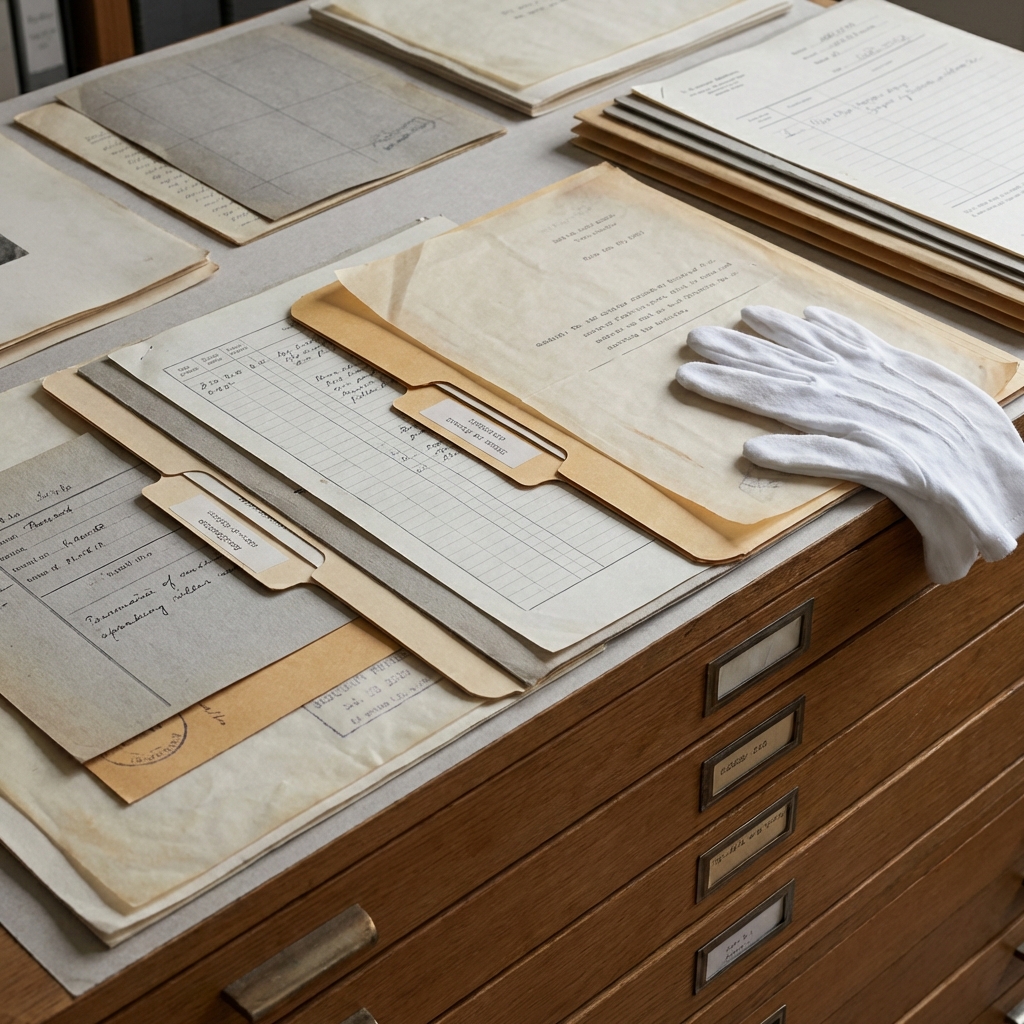
The transformation of archival practice through digitization, and the ethical questions surrounding access, ownership, and long-term preservation.
Films, comics, museum exhibitions how creative storytelling mediums become vehicles for transmitting cultural knowledge and shaping collective memory.
In the age of AI, how does our engagement with history evolve? Examining intelligence human and artificial as a form of cultural inheritance.
Digital documentation represents more than digitization it is the creation of long-term cultural records that future generations will rely upon. When done with care, these records become interpretive tools: eGuides that offer context, multiple perspectives, and pathways for deeper understanding.
AI-assisted tools can support this work by:
Yet accuracy, ethics, and scholarship remain paramount. Technology accelerates; human expertise validates. Our conversations explore this balance, examining case studies where digital tools have enhanced or complicated heritage work.
Help us discover scholars, practitioners, and innovators shaping the future of cultural heritage.
Threads of Time is built on participatory curation. We seek recommendations for historians, conservators (artifacts, buildings, art), archivists, filmmakers, comic artists, museum professionals, technologists, and community leaders whose work exemplifies thoughtful engagement with heritage, creative storytelling, and responsible innovation.
Your recommendations help us identify voices contributing to: